85 million Nigerians have no grid connection. We’re building their alternative.
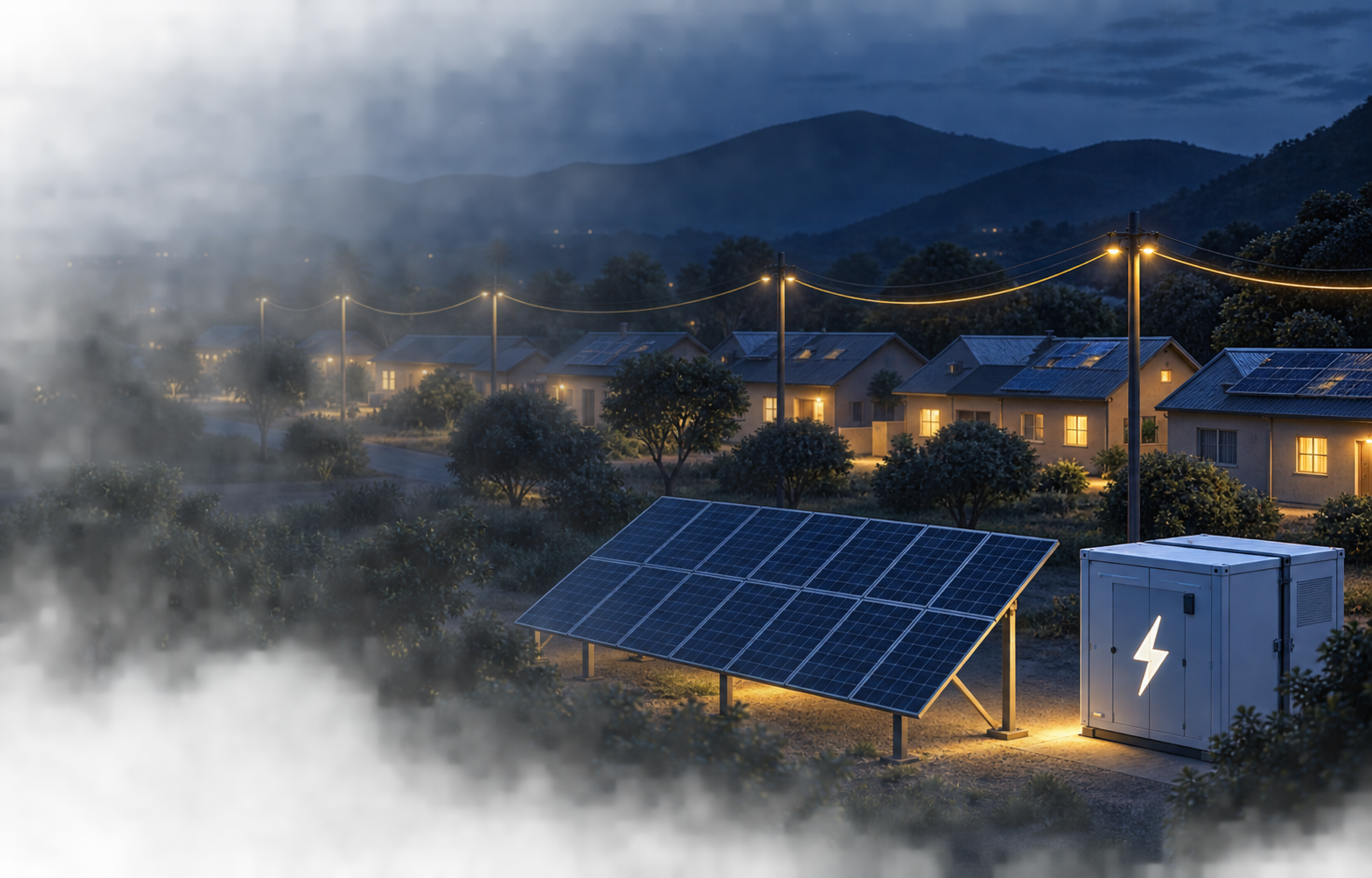
We design, build, and finance-align 100 KW community mini-grids for underserved communities across Northern Nigeria, powered by pay-as-you-go solar, engineered to REA and World Bank DARES standards.
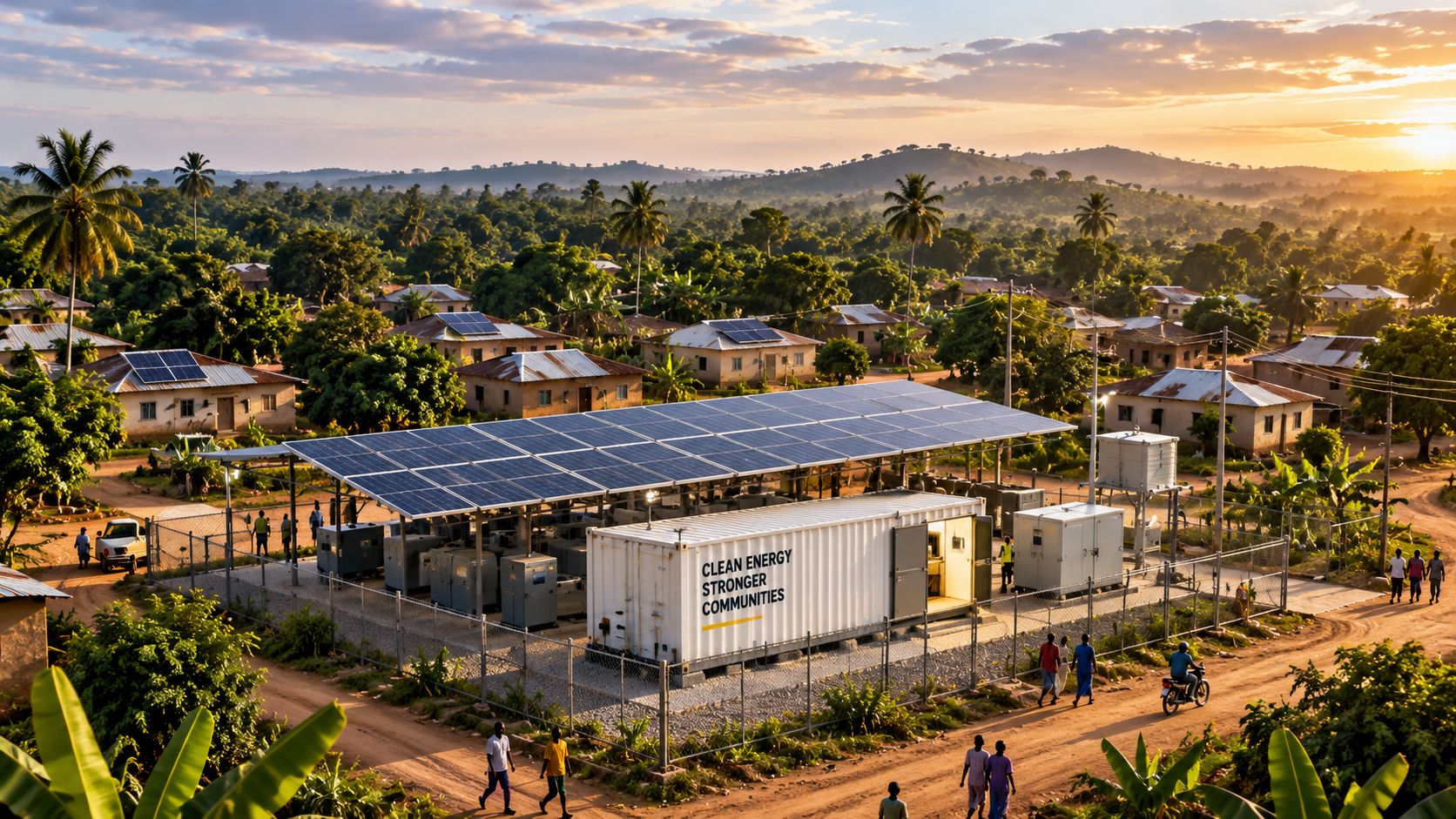

Grid extension was never coming. We stopped waiting.
Only 27% of rural Nigerians have grid access. The rest run on diesel, kerosene, or nothing at all, paying more for worse power than any city resident, with no extension plan on any realistic timeline.
REA has identified 10,000+ viable sites.
We are building on the ones that matter most.
We select communities 5km or more from the grid, with 50 to 200 households and existing commercial activity, the profile most likely to sustain a mini-grid long after we leave. Phase 1 is already under way across Kano, Katsina, and Sokoto States.
One Grid. Every Part of the Community.
For Households
Lights, phone charging, and refrigeration that runs every day, on a pay-as-you-go plan sized to what a family already spends on kerosene and charging kiosks.
For Markets & Business
Grinding mills, welding, cold storage, and charging shops keep running past sunset, and new businesses become possible for the first time.
For Schools & Clinics
Reliable lighting, vaccine refrigeration, and power for equipment that used to depend on a generator that wasn’t always fuelled.
For the Community
Local operators trained and paid to run the site, construction and maintenance jobs that stay in the community, not fly-in contractors.
Four things that make a mini-grid outlast the launch.
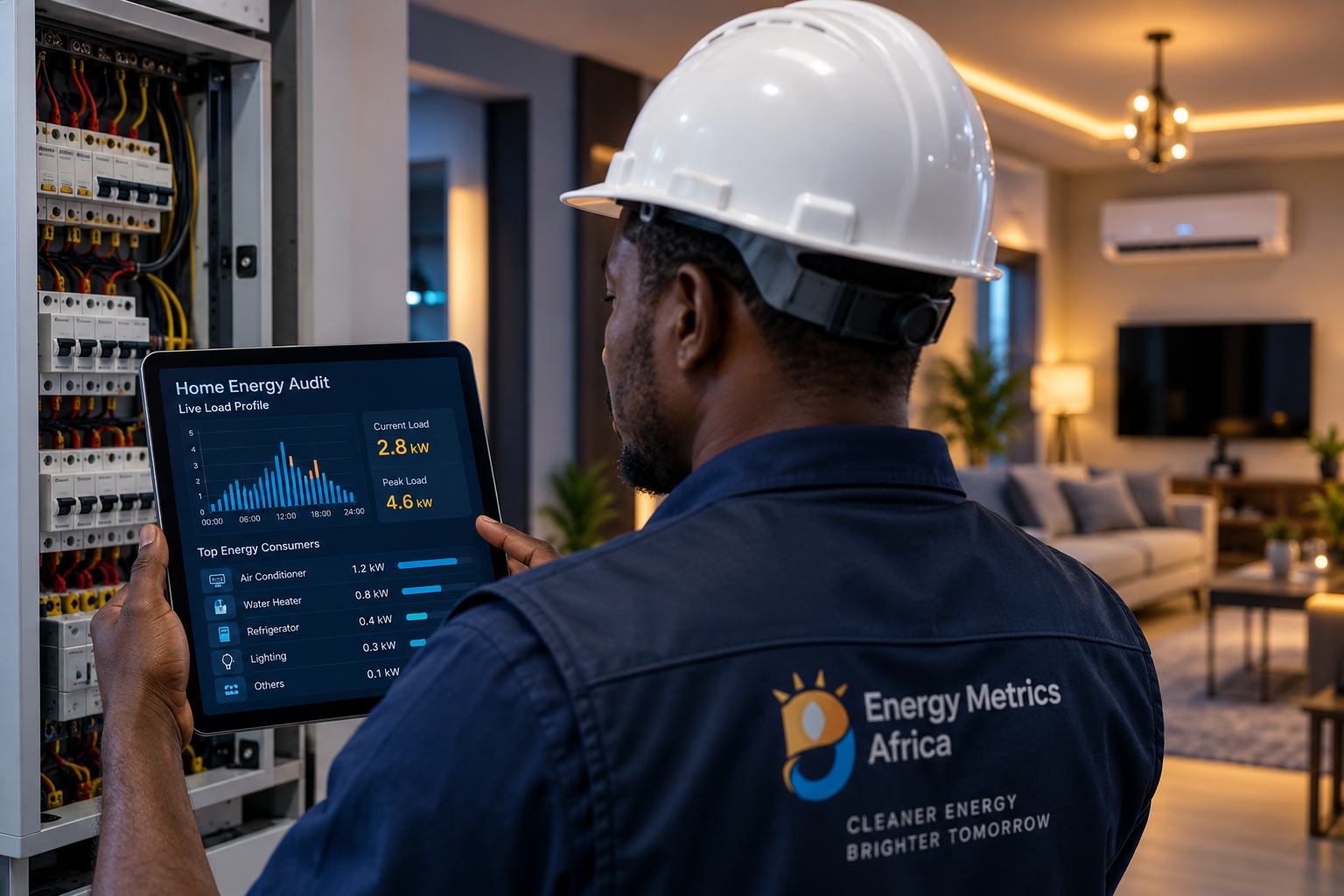
We select sites the way REA does
Communities 5km or more from the grid, 50 to 200 households, with existing commercial activity, the profile most likely to sustain a mini-grid long after commissioning.

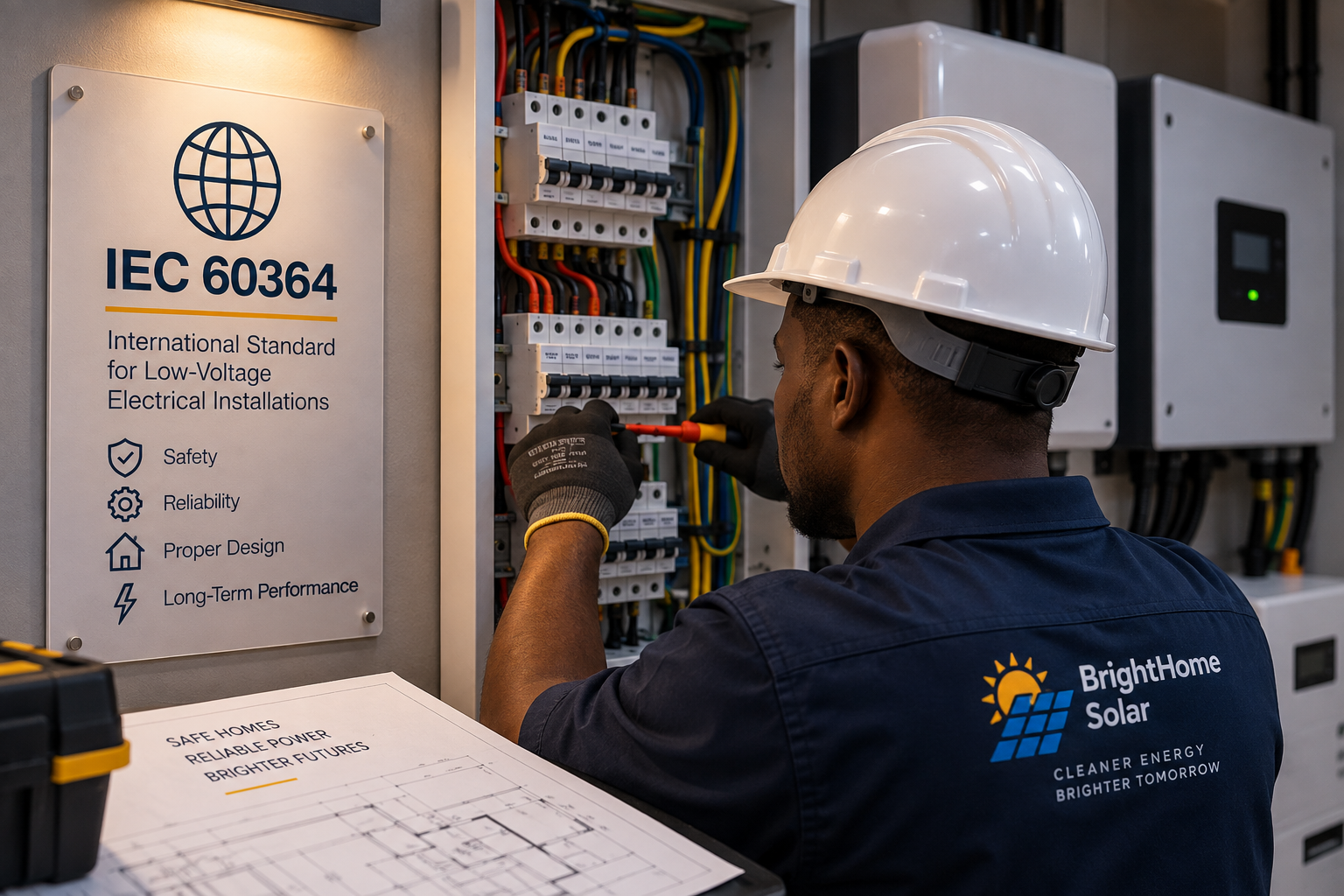
We build to fund, not just to spec
Every site is designed to qualify for REA’s viability gap funding and the World Bank’s DARES programme. Engineering, metering, and documentation are bankable from day one.
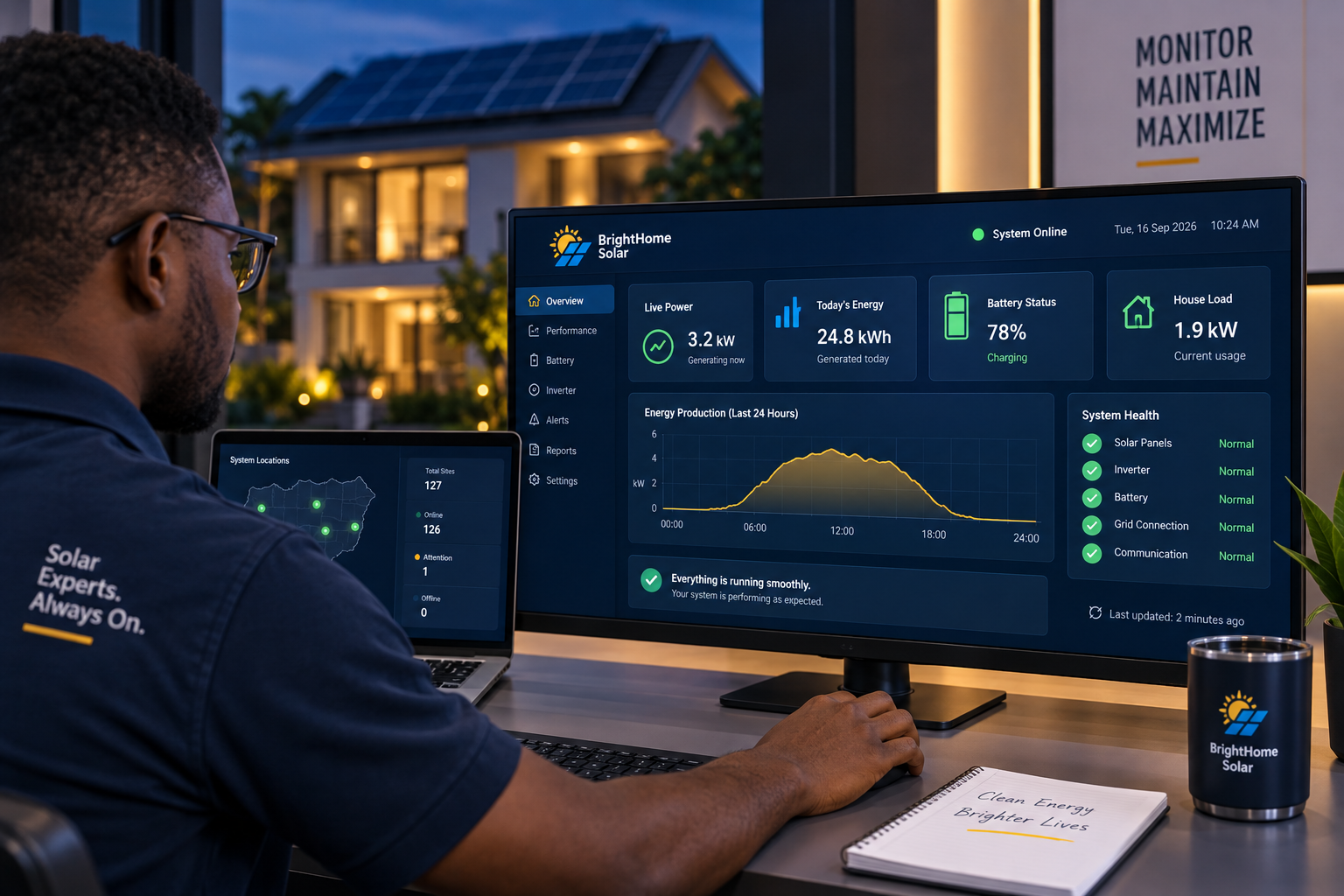
We collect revenue so the grid outlives the grant
Every connection runs on PAYG metering, priced against what households and businesses already spend on diesel and kerosene. That revenue funds maintenance long after commissioning.
We train operators before we leave
Every mini-grid gets a trained local operator and community energy champions. We build relationships and capacity before we lay a single cable.
Capacity per mini-grid site
Battery storage per site
Communities, Year 1 to Year 3
People gaining electricity access by Year 3
What Communities and Partners Ask Us First.
Nigeria’s rural electrification rate is 27%. At that pace, grid extension will not reach most of these communities for decades. For the sites we serve, a mini-grid is not a compromise: it is the faster, cheaper, and more reliable option, full stop.
Through revenue, not goodwill. Every connection is metered and billed on a pay-as-you-go plan. That revenue funds maintenance and keeps a trained local operator on-site: the grid does not depend on another grant to stay running.
Yes. Site selection follows REA’s criteria, our engineering meets REA’s Mini-Grid Regulations (2016, amended 2021), and our project structure is built to qualify for REA viability gap funding and the World Bank’s DARES programme.
That is exactly what PAYG solves. There is no large upfront connection fee. Households and businesses pay per unit of energy used, calibrated to what they already spend on diesel, kerosene, or phone-charging kiosks today.
Every EMA mini-grid deployment includes:
From the first feasibility study to years of operation, we give communities and funders the engineering and revenue model needed to make it last.
Community energy needs assessment and site feasibility study
Site selection aligned with REA criteria and viability gap funding
100 KW solar-battery hybrid engineering, built to IEC 60364
REA and World Bank DARES-aligned project documentation
PAYG metering and mobile payment integration
Local operator recruitment and technical training
Community engagement and energy champion programme
Ongoing monitoring, maintenance, and revenue collection
Could your community run on its own power?
Find out if your community is a fit for a mini-grid.
We’ll assess the location, demand and funding pathway.
Tell us about your community
You share the location, household estimates and key stakeholders.
Check the site criteria
We assess the site against REA criteria and funding eligibility.
Feasibility & engineering study
If it fits, we run a full technical, financial and environmental study.
Align funding & build
We structure funding, build and commission the mini-grid.
Go live on clean power
The community gets reliable, affordable, 24/7 power.
Free initial assessment · No obligation