Going solar is a Gamble. Choosing who installs it isn’t.
Most Nigerians who regret their solar systemsmade the right call on the technology. They just trusted the wrong hands to built it. That's why EMA exists.
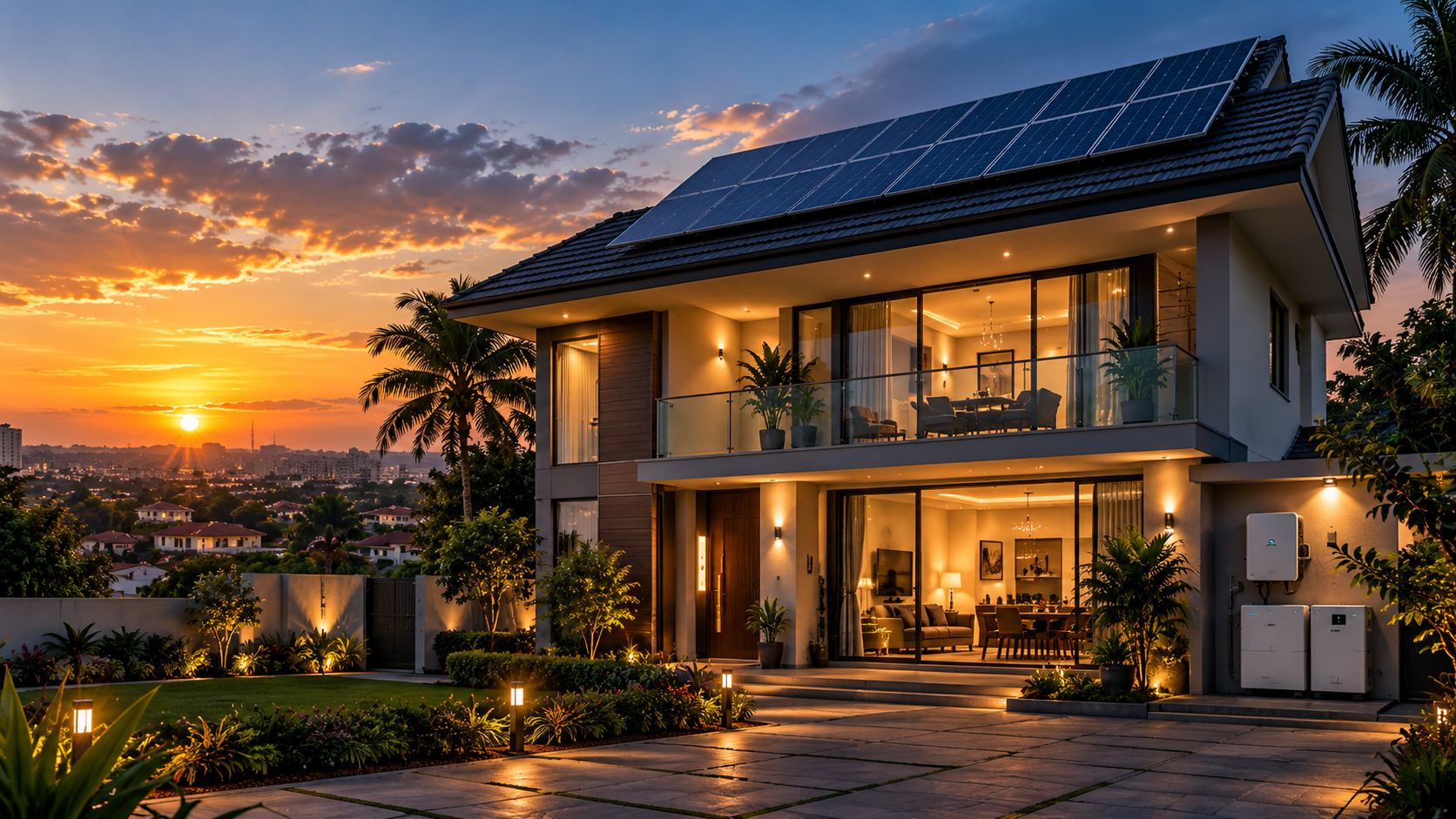
What your home looks like when it’s done properly.
Your AC runs through the night.

Your fridge stays cold.

Your children study in full light.
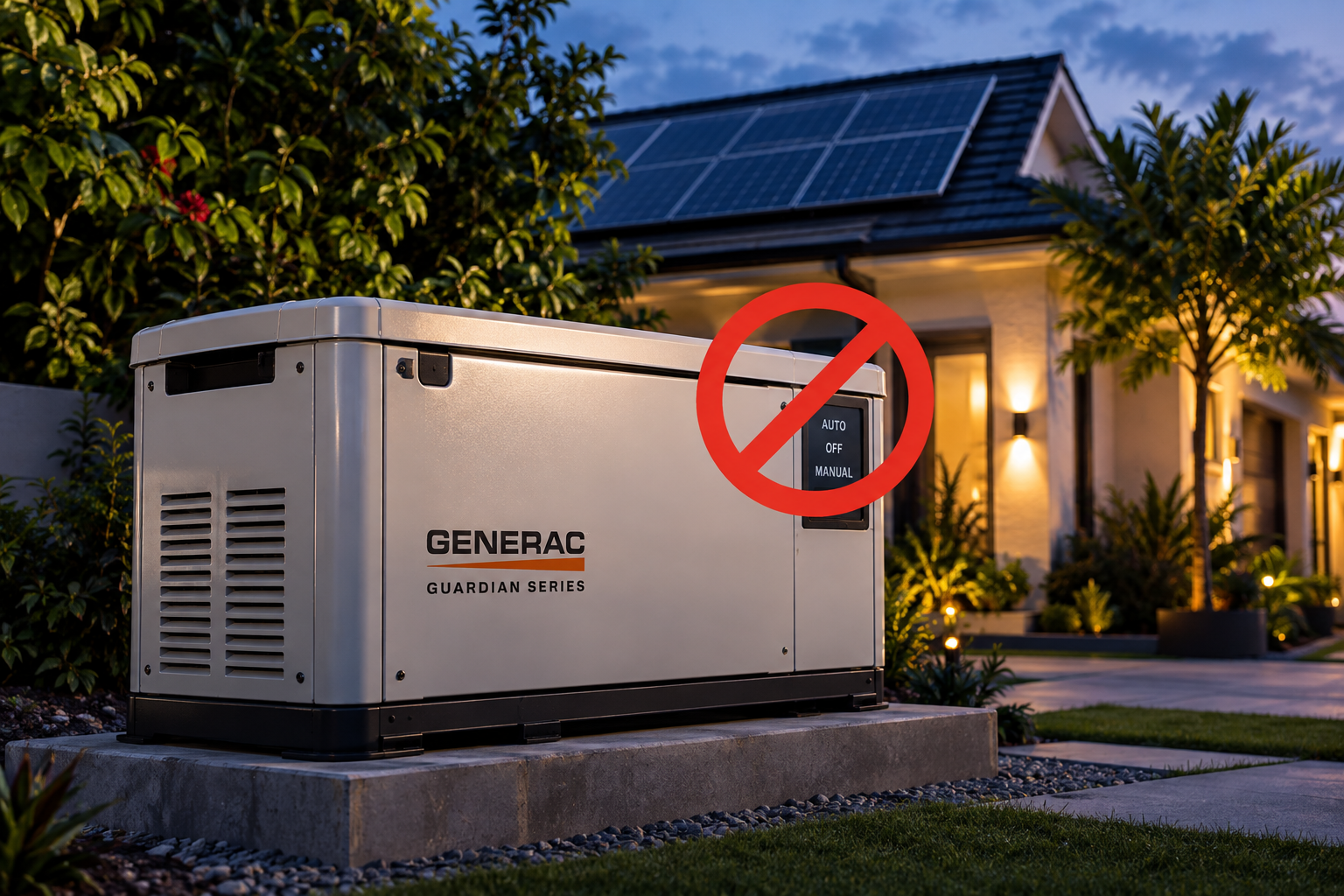
Your generator hasn’t started in four months.
You are not rationing. Not calculating. Not watching the inverter.
Four things we do that most installers skip.
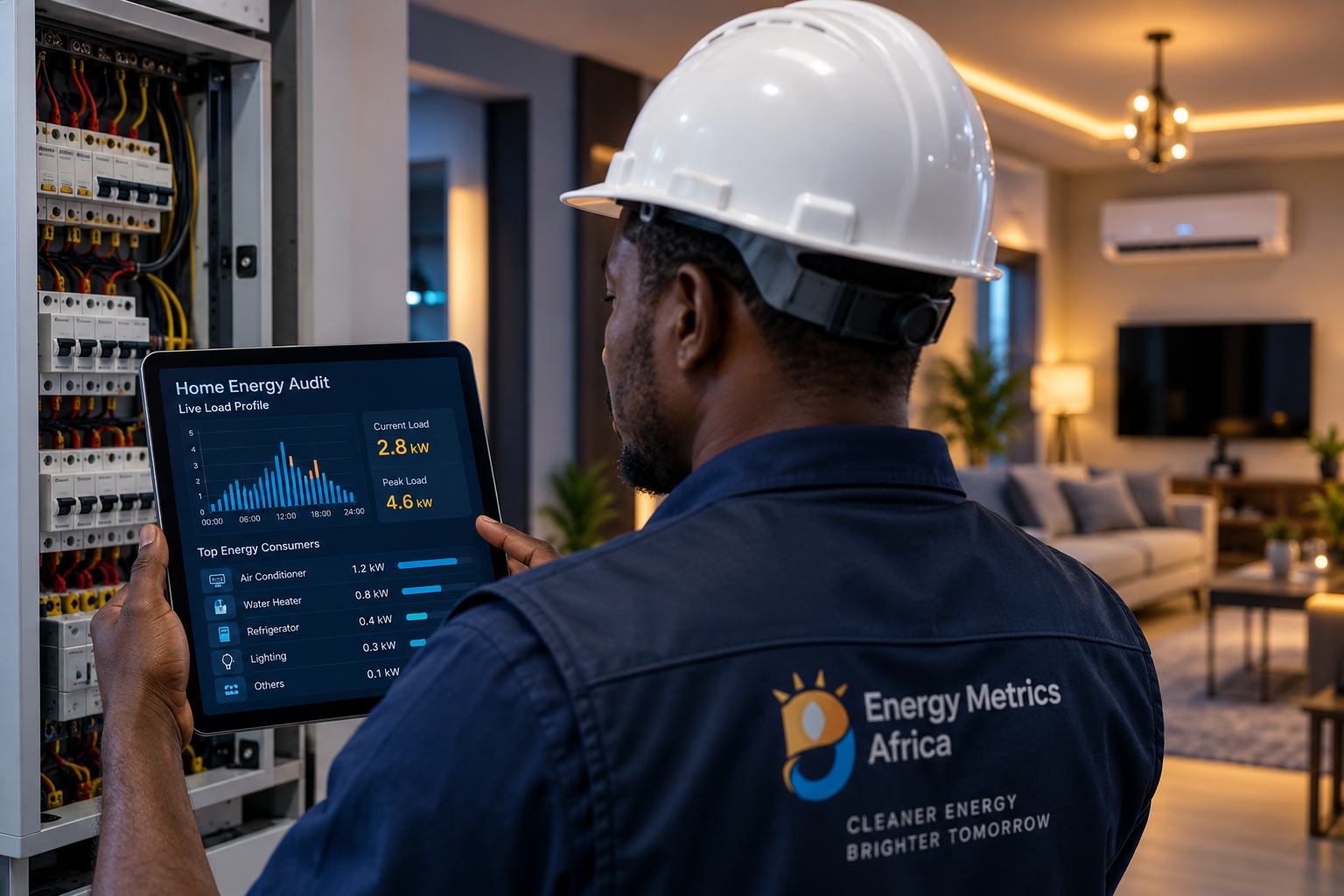
We measure your actual load first
We profile every appliance, every hour of use, and your peak draw. Then we design for your home, not an average one. This is why your system still runs at midnight instead of going flat at 9 pm like your neighbour's.

We show you the numbers before you spend anything
You see your projected monthly savings, payback period, and system lifespan before we order a single component. Calculated against your real usage. If the numbers do not work for you, we say so. We would rather lose a sale than install an unreliable system.
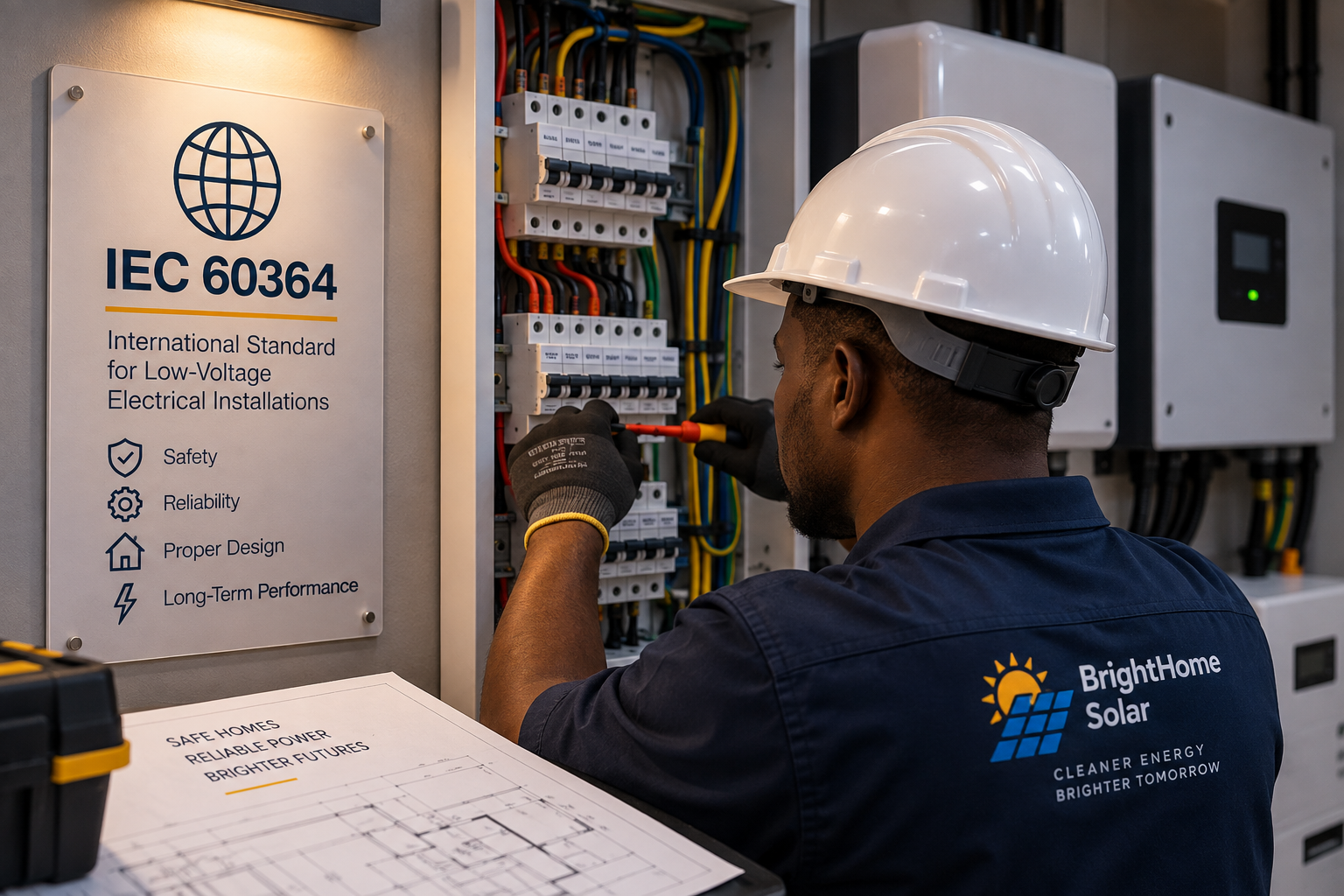
We build to IEC 60364.
The international standard for electrical installations. Formal load calculations, single line diagrams, cable sizing, protection devices. NEMSA has documented house fires from installations that ignored this. Every EMA system comes with full engineering documentation.
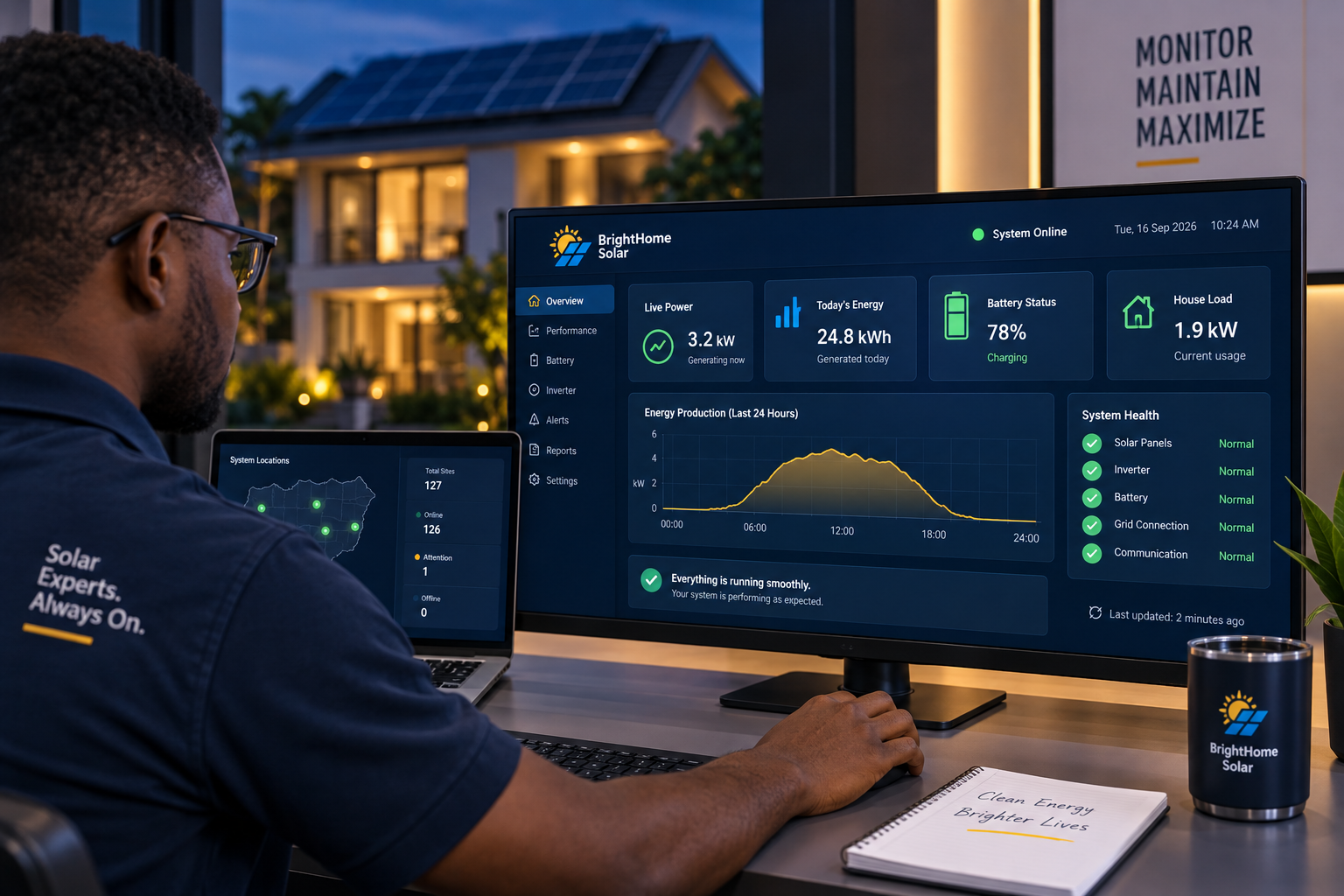
We monitor your system every day
Most Nigerian solar owners get zero support after installation. Their systems degrade quietly, and they have no idea until something fails. We connect every system to our monitoring platform. If output drops by more than 8% without a weather explanation, we flag it before you notice.
Monthly energy cost reduction
Typical payback period
Battery lifespan, LiFePO4 only
Charge cycles per battery
Only a few Nigerian solar owners get post-installation support.
Every EMA system includes it by default.
The questions serious buyers have asked us.
In most cases, the battery is the problem. The wrong battery chemistry can degrade quickly in Nigeria’s heat. That’s why we use LiFePO4 batteries exclusively. They are rated for 4,000 to 6,000 full charge cycles. At one full cycle a day, that works out to roughly 11 to 16 years of use.
We don’t just install the system and leave. Every system is monitored from day one. When we hand it over, you get access to the monitoring app, and our team keeps an eye on its performance with you. If something changes, we know about it early.
There is no one-size-fits-all price because every home has different energy needs. If you currently spend between ₦80,000 and ₦150,000 a month on fuel and electricity, a properly sized system can typically pay for itself within 24 to 36 months. After that, you can significantly reduce your electricity and fuel costs for years to come. Before you commit, we run the numbers for your home so you know exactly what you’re getting and what the potential savings look like.
Because you see the numbers before we start. We show you the exact energy demand we’re designing for, the battery capacity required, and why each figure matters. Nothing is based on guesswork.
Every EMA residential installation includes:
Before Installation
- Load audit before any design work
- LiFePO4 batteries, 10 to 15-year lifespan, no substitutions
- Full savings and payback projection before you sign
- IEC 60364 compliant installation
After Installation
- Engineering documentation at handover
- Live IoT monitoring from day one
- Real-time fault alerts to your phone
- Qualified engineers on every job, not subcontractors
I used to spend 600,000 naira a month on fuel alone. Now my generator has not started in nine months. I wish I had done this three years ago.
Homeowner, Lagos.
Name withheld on request.
One call tells you everything.
Call us. In under 20 minutes, we tell you whether your home is a good candidate, what size system you likely need, and roughly what your payback looks like.
No obligation · Free home visit · Full projection before you commit
We tell you if it does not make sense.